
Trenchless sewer repair technology marks a notable leap in addressing underground pipe issues, offering a less invasive way to mend sewer lines than traditional methods. Historically, repairing sewer pipes entailed extensive digging, disrupting daily life and landscapes.
This innovative technology repairs sewer lines from within, bypassing the need for large-scale excavation. Efficient and eco-friendly, it protects the surrounding ecosystem and infrastructure. This section explores the origins of this groundbreaking method and its rising appeal for homeowners and city planners in managing sewer repairs.
The Need for Trenchless Solutions in Modern Plumbing
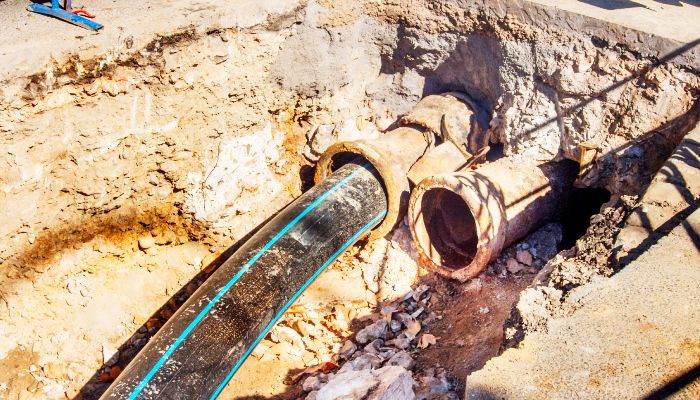
The transition to trenchless sewer repair technology in modern plumbing is a response to the challenges posed by traditional methods, particularly in addressing broken sewer pipes. Traditional repair techniques often require extensive excavation, leading to significant disruptions in urban areas, landscape damage, and high costs.
In contrast, trenchless solutions provide a minimally invasive method for repairing underground pipes and sewer lines, crucial in densely populated or environmentally sensitive areas. The complexity of urban infrastructure, which includes an intricate network of underground utilities, calls for more sophisticated methods like trenchless technology for sewer line repair. This section highlights the specific challenges of traditional repair methods and the increasing significance of trenchless solutions in the modern plumbing landscape.
Techniques Used in Trenchless Sewer Repair
Pipe Lining in Trenchless Sewer Repair
Pipe Lining, or Cured-in-Place Pipe (CIPP), is a crucial technique in trenchless sewer repair. This no-dig solution involves inserting an epoxy resin-coated tube into the damaged existing pipe. Efficient in repairing leaks and breaks while maintaining sewage flow, it’s a less disruptive alternative to traditional repair methods, preserving the integrity of the existing pipe infrastructure.
Pipe Bursting Method
Pipe Bursting is another important method, especially for severely damaged pipes. This process replaces the old pipe with a new one by breaking the old pipe and pushing its fragments into the surrounding soil. This technique ensures effective sewer line repair and is ideal for situations where the pipe lining is not feasible. Both methods offer quick, less intrusive pipe repairs.
Comparative Analysis: Trenchless vs Traditional Methods
Comparing trenchless sewer repair with traditional methods involves examining several factors: cost, time, environmental impact, and durability.
Cost

Trenchless methods can be more cost-effective in the long run. Traditional methods involve extensive digging, which can increase labor costs and time. Trenchless repairs, being less labor-intensive and faster, can reduce overall costs.
Time
Trenchless repairs are significantly quicker due to less excavation. Traditional methods might take days or weeks, disrupting daily life, while trenchless repairs can often be completed within a day.
Environmental Impact
Traditional digging methods can disrupt landscapes, gardens, and even roadways. Trenchless repairs are less intrusive, preserving the surrounding environment and infrastructure.
Durability
Trenchless methods often use materials like epoxy resins that are resistant to corrosion and have a longer lifespan than traditional materials.
Understanding the Process: Step-by-Step Guide
A typical trenchless sewer repair process involves several key steps. First, a thorough inspection of the existing sewer line is conducted using specialized cameras. This inspection helps identify the problem areas and determine the suitability of trenchless repair. Next, the sewer line is cleaned to remove any debris, roots, or blockages, ensuring a clear path for the repair equipment.
For pipe lining, a resin-saturated liner is inserted into the damaged pipe. This liner is then inflated, pressing against the pipe’s interior. The resin is cured, usually with heat, forming a robust new pipe inside the old one. In pipe bursting, a bursting head, attached to the new pipe, is pulled through the old pipe. The old pipe breaks apart while the new one takes its place.
Finally, another camera inspection ensures the repair has been successful. The entire process is less invasive and can often be completed within a single day, minimizing disruption.
Benefits of Trenchless Sewer Repair
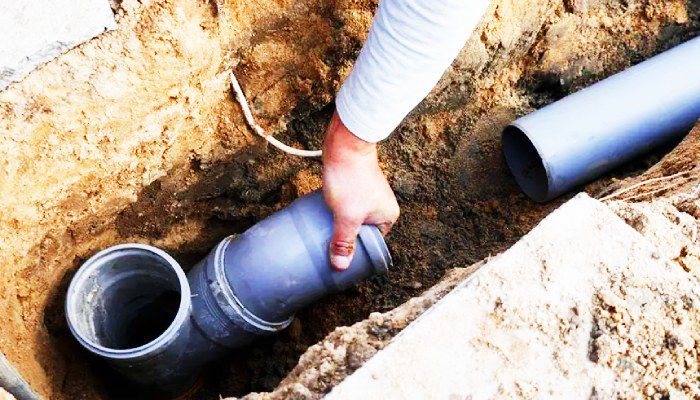
The advantages of trenchless sewer repair are numerous, making it an increasingly popular choice. Key benefits include:
Minimal Disruption
Since trenchless methods require little to no digging, the impact on landscaping, driveways, and sidewalks is significantly reduced. This is particularly beneficial in urban areas where excavation can cause major disruptions.
Cost-Effectiveness
While the initial cost may be similar to traditional methods, trenchless repair saves money in the long term. It reduces the need for extensive labor, heavy machinery, and landscape restoration.
Time Efficiency
Trenchless repairs are typically completed much faster than traditional methods, reducing inconvenience to homeowners and businesses.
Environmental Friendliness
With minimal excavation, trenchless repair is less damaging to the environment. It preserves the existing landscape and reduces the carbon footprint associated with heavy construction equipment.
Durability and Quality
Trenchless repairs use materials like epoxy, which are resistant to corrosion and have a longer lifespan, potentially extending the life of the sewer system.
Conclusion and Recommendations
Trenchless sewer repair stands as a pivotal innovation in urban infrastructure, offering an efficient, cost-effective, and environmentally friendly alternative to traditional sewer repair methods. This technology’s minimal disruption and durable results are key advantages for homeowners, municipalities, and businesses. However, understanding both its benefits and limitations is crucial for informed decision-making.
Staying updated on the latest developments and choosing skilled service providers are vital for optimal outcomes. As trenchless sewer repair continues to evolve technologically, its role in efficient urban infrastructure management is likely to expand, underscoring its importance in modern plumbing and environmental conservation.