Sewer systems are the unsung heroes of modern urban infrastructure, silently managing waste and maintaining public health standards. However, maintaining these complex plumbing systems is a challenge that often goes unnoticed until problems such as clogged drains arise.
Common issues in sewer maintenance include blockages caused by debris accumulation, tree root infiltration, and the buildup of grease and other materials. These blockages can lead to reduced flow efficiency, unpleasant odors, and even sewage backups, posing significant health risks and environmental concerns. In the realm of drain cleaning and unclogging pipes, these challenges are particularly acute.
Traditionally, sewer maintenance has relied on methods like mechanical snaking or chemical treatments, which, while effective to some extent, often provide only temporary relief and can be harmful to the environment. In recent years, a modern solution has emerged that promises not only to address these challenges more effectively but also to revolutionize the way we maintain our plumbing systems.
This solution is hydro jetting, a high-pressure cleaning method that offers a more thorough and eco-friendly approach to sewer maintenance. As we delve deeper into the role of hydro jetting, it becomes clear why this technique is becoming a cornerstone in the field of sewer system upkeep, offering a new standard in the care and maintenance of plumbing systems.
Hydro jetting cleaning is an advanced technique in the plumbing system maintenance arsenal, specifically designed for drain cleaning and sewer maintenance. It utilizes a high-pressure stream of water to obliterate blockages and clean the interior walls of pipes.
This method is particularly effective in removing stubborn blockages, including those caused by grease, sludge, debris, and tree roots. Unlike traditional drain cleaning methods, hydro jetting doesn’t just puncture through the blockage; it ensures a thorough cleaning by removing all traces of buildup, restoring the pipe to near-original capacity.
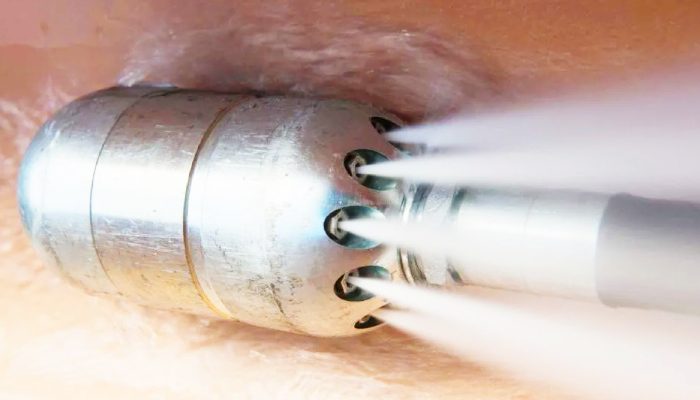
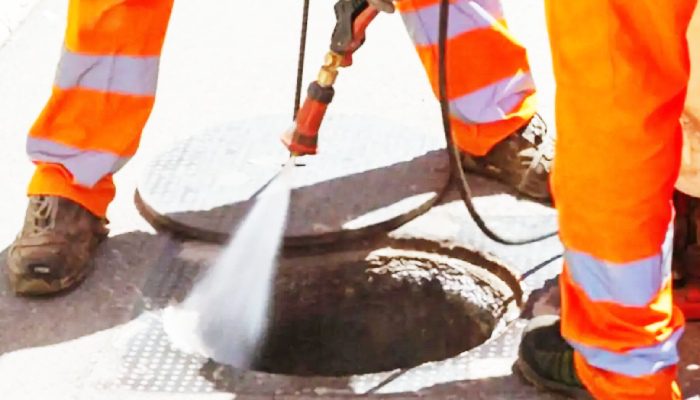
The process involves inserting a high-pressure hose with a specialized nozzle into the sewer line. Water, pressurized to upwards of 4000 psi, is then blasted through the pipes. This pressure is powerful enough to break apart even the most solid obstructions and scour the pipe walls clean of any residue. The versatility of hydro jetting also allows it to be used in various pipe sizes and types, making it a suitable solution for both residential and commercial sewer systems.
In comparison to traditional drain cleaning methods like snaking, which merely creates a hole through the blockage, or chemical treatments, which can be harmful to the environment, hydro jetting offers a more sustainable and comprehensive cleaning solution. It eliminates the need for harsh chemicals and reduces the risk of damaging pipes, a common concern with mechanical methods. Moreover, hydro jetting is a preventative measure; by thoroughly cleaning the pipes, it can prevent future clogs and prolong the lifespan of the plumbing system.
The journey of sewer maintenance has been a tale of continuous innovation and adaptation, especially in addressing the challenge of clogged drains in complex plumbing systems. In the early days, sewer cleaning was rudimentary, often involving manual methods that were both labor-intensive and less effective. As urban populations grew and the complexity of plumbing systems increased, the need for more efficient and effective cleaning methods became evident.
The introduction of mechanical snaking marked a significant advancement. This method, involving a flexible rod to dislodge blockages, offered a more straightforward approach to clearing pipes. However, as plumbing systems became more intricate and the types of blockages more varied, the limitations of mechanical snaking became apparent. It was effective for simple clogs but fell short in dealing with stubborn blockages caused by the buildup of grease, minerals, and roots.
Chemical treatments emerged as another solution, using strong compounds to dissolve blockages. While initially effective, these chemical cleaners often posed environmental risks, corroding pipes and harming the ecosystem when wastewater was released into natural water bodies.
The advent of hydro jetting represented a paradigm shift in sewer maintenance. This technology, with its ability to provide a thorough cleaning of pipes safely and effectively, addressed the shortcomings of previous methods. Hydro jetting relies solely on high-pressure water, making it an eco-friendlier and more efficient alternative.
It emerged not just as a tool for clearing blockages but as a preventive measure to maintain the health of plumbing systems. Hydro jetting’s ability to adapt to different pipe sizes and types further cemented its role as a versatile and indispensable tool in modern sewer maintenance, often requiring the expertise of a professional plumber for optimal results.
At its core, hydro jetting is a symphony of high-pressure physics and precision engineering, crucial for maintaining the health of a plumbing system. This method is particularly effective in drain cleaning, tackling stubborn blockages that traditional methods struggle with. The equipment used in hydro jetting is specially designed to handle the rigors of intense water pressure.
The hydro jetting machine consists of a water tank, high-pressure hose, a nozzle capable of withstanding high pressure, and a machine that pressurizes water. The nozzle is a critical component, often tailored to different types of blockages and pipe conditions. Some nozzles are designed to cut through tree roots, while others are optimized for grease or mineral deposits.
The science behind the high-pressure water jets is what sets hydro jetting apart as an efficient method for clearing blockages. Water is pressurized to levels as high as 4000 psi or more, creating a forceful stream capable of cutting through almost any blockage. This pressure is controlled and directed by the nozzle, which disperses the water in a way that maximizes cleaning effectiveness without damaging the pipes.
The process begins with a thorough inspection of the sewer system, often using video inspection tools to assess the condition of the pipes and identify the location and nature of the blockage. This preliminary step is crucial as it guides the technician in choosing the right nozzle and pressure setting.
Once the setup is complete, the hydro jetting process begins. The high-pressure water acts like a knife, cutting through blockages and scouring the pipe walls. This not only clears the immediate blockage but also removes buildup along the pipe walls, preventing future clogs. The debris is then flushed out of the system, leaving the pipes clean and free-flowing. Unlike chemical cleaners, hydro jetting provides a safe and eco-friendly solution, ensuring the long-term efficiency and health of the plumbing system.
Hydro jetting stands out as a superior method for maintaining and cleaning sewer systems, offering a multitude of benefits that go beyond simple clog removal.
Unlike traditional methods that may leave residues, hydro jetting thoroughly cleans the entire pipe diameter, removing all traces of buildup and debris. This comprehensive cleaning helps in preventing future blockages and maintaining optimal flow.
Hydro jetting uses only water, making it an environmentally friendly option compared to chemical cleaners that can leach into soil and waterways. This aspect is particularly important in today’s environmentally conscious society.
The high-pressure water stream can cut through the toughest blockages, including tree roots and hardened grease. This makes hydro jetting highly effective, especially in situations where other methods fail.
By thoroughly cleaning and maintaining the sewer lines, hydro jetting can reduce the frequency of costly repairs and prolong the lifespan of the sewer system, making it a cost-effective solution over time.
Since hydro jetting does not involve harsh chemicals or heavy machinery, it poses less risk of damaging the pipes and surrounding infrastructure, which is a significant concern with mechanical methods.
Hydro jetting is versatile enough to be used in various types of pipes and sewer systems, making it suitable for both residential and commercial applications.
Regular hydro jetting can be part of a preventative maintenance program, helping to keep sewer systems in optimal condition and preventing emergencies.
While hydro jetting is highly effective, there are certain challenges and considerations to keep in mind:
Due to the high pressures involved, hydro jetting requires skilled technicians with specialized training. Improper use can lead to pipe damage or personal injury.
Hydro jetting may not be appropriate for older, fragile, or damaged pipes where the high pressure could cause harm.
The upfront cost of hydro jetting can be higher than traditional methods, which might be a consideration for some budgets.
Accurate diagnosis of the blockage type and pipe condition is crucial. Using hydro jetting without a proper assessment can lead to ineffective cleaning or damage.
In some areas, there may be regulations regarding the disposal of wastewater generated from hydro jetting, which must be considered.
Strict safety protocols must be followed to handle the high-pressure equipment safely.
As we look to the future of sewer maintenance, hydro jetting is poised to play a pivotal role, but it’s just one piece of a larger puzzle. Advancements in technology and a growing emphasis on sustainable practices are shaping the future of this field.
Future sewer maintenance systems may integrate hydro jetting with smart sensors and IoT devices, allowing for real-time monitoring and more proactive maintenance schedules.
Continued innovation in hydro jetting technology could lead to even more environmentally friendly solutions, such as water recycling systems within the hydro jetting process.
Enhanced diagnostic tools, like more sophisticated pipe cameras and sensors, will allow for better assessment of sewer conditions, making hydro jetting even more effective.
As the technology evolves, so will the need for specialized training and safety protocols to ensure that hydro jetting is performed efficiently and safely.
Exploring ways to power hydro jetting equipment with renewable energy sources could further reduce the environmental impact of sewer maintenance.
Selecting the appropriate hydro jetting service is crucial for ensuring the effectiveness and safety of the sewer maintenance process. Here are key factors to consider:
In summary, hydro jetting represents a significant advancement in the field of sewer maintenance. Its ability to efficiently and effectively clean sewer lines, coupled with its environmental friendliness, makes it a preferred choice for modern plumbing challenges. As we have explored, hydro jetting offers comprehensive cleaning, cost-effectiveness, and versatility, making it suitable for a wide range of applications.
The future of sewer maintenance looks promising, with hydro jetting at the forefront. Its integration with smart technologies and potential for further eco-friendly developments positions it as a key player in the ongoing evolution of sewer system upkeep.
For property owners, municipalities, and maintenance managers, embracing hydro jetting means not only resolving current issues but also investing in the long-term health and efficiency of their sewer systems.
By choosing the right hydro jetting services and staying informed about advancements in the field, stakeholders can ensure that their sewer systems are maintained to the highest standards, reflecting a commitment to innovation and sustainability in infrastructure management.
Sewer line cracks, often referred to as sewerage line cracks, can pose significant challenges for…
Sewerage line cracks are a significant concern for both homeowners and municipal infrastructure. These cracks…
Tree roots and sewer lines may seem like unrelated aspects of property management, but their…
Stormwater drainage systems play a critical role in urban infrastructure, ensuring the effective management of…
Stormwater drainage systems are critical infrastructure components in urban and suburban areas, designed to manage…
Stormwater drains are a critical component of urban infrastructure, designed to manage excess rainwater and…