
Understanding Brisbane’s drainage system is essential for every homeowner’s guide to proactive maintenance. The plumbing system of any property is intricately connected to the city’s larger drainage systems, which manage rainwater runoff and prevent flooding. In this guide, we delve into the significance of comprehending Brisbane’s drainage system, from its role in safeguarding homes against water damage to the proactive measures homeowners can take to ensure the efficiency of their plumbing systems.
From preventing clogged drains to understanding the broader implications of drainage systems on property integrity, this article aims to equip homeowners with the knowledge needed to navigate and maintain their properties effectively.
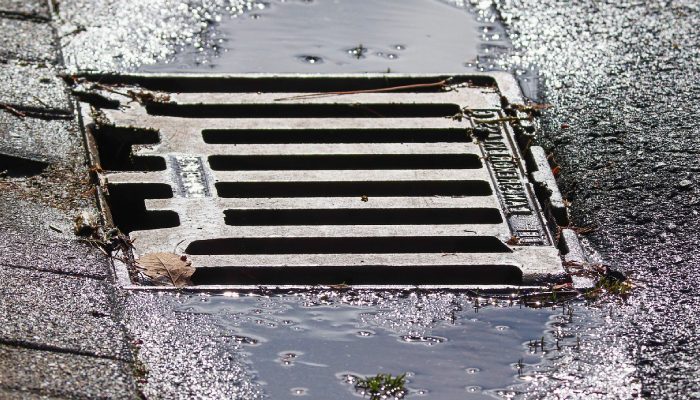
Components of Brisbane’s Drainage System
In our homeowner’s guide to understanding Brisbane’s drainage system, it’s crucial to grasp the key components that comprise both the city’s infrastructure and your home’s plumbing system. Brisbane’s drainage system encompasses various elements, including stormwater drains, gutters, downspouts, and the sewer system. Stormwater drains are designed to channel rainwater away from roads and properties to prevent flooding, while gutters and downspouts collect rainwater from roofs and direct it away from the foundation of buildings. Additionally, the sewer system manages the flow of wastewater from homes to treatment plants.
Understanding the flow of water within these systems is essential for homeowners to prevent issues such as sewerage line cracks, which can lead to leaks and contamination. In cases where homeowners encounter problems beyond their expertise, it’s crucial to seek professional assistance. Plumbers and drainage engineers have the expertise to diagnose and repair issues within Brisbane’s drainage system, ensuring the continued functionality and integrity of your home’s plumbing system. By familiarizing yourself with these components and knowing when to seek professional help, you can effectively maintain your property and contribute to the resilience of Brisbane’s drainage infrastructure.
Common Drainage Issues in Brisbane
Identifying Common Drainage Issues
Brisbane’s drainage system, like any other, is susceptible to various problems that can affect your plumbing system and property. It’s essential to recognize these issues early to prevent costly repairs and maintain the efficiency of your drainage system. Common problems include:
- Blocked Drains: One of the most prevalent issues homeowners face is blocked drains, which can occur due to debris buildup, tree roots infiltrating pipes, or improper disposal of waste. Blocked drains disrupt the flow of water and can lead to backups and water damage if left unaddressed.
- Poor Water Flow: Another issue is poor water flow, characterized by slow drainage in sinks, showers, or toilets. This may indicate a blockage in the pipes or a more significant problem within the drainage system.
Understanding the Impact of Drainage Issues
Neglecting drainage issues can have significant consequences for your property and your wallet. Blocked drains and poor water flow not only inconvenience homeowners but can also result in water damage, mold growth, and structural issues if left untreated. Moreover, recurring drainage problems can indicate underlying issues within the plumbing system that require professional attention.
The Importance of Addressing Drainage Issues Promptly
Prompt action is crucial when dealing with drainage issues to prevent them from escalating into larger problems. Ignoring warning signs or attempting DIY fixes without addressing the root cause can lead to further damage and costly repairs down the line. Homeowners should prioritize addressing drainage issues promptly to maintain the integrity of their plumbing system and avoid potential water-related damage to their property.
Seeking Professional Assistance
While some drainage issues can be resolved through DIY methods, others require the expertise of a professional plumber or drainage specialist. Hiring professionals with a proven track record in diagnosing and resolving drainage issues ensures that the problem is addressed effectively and prevents future recurrences. Professional assistance can save homeowners time, money, and frustration by providing long-term solutions to their drainage problems.

Importance of Proper Drainage Maintenance
Proper maintenance of Brisbane’s drainage system plays a crucial role in preventing plumbing problems and ensuring the efficient flow of water, especially during heavy rain. In this section, we’ll delve into why proactive maintenance is essential for homeowners.
Preventing Blocked Drains
Regular maintenance helps prevent blocked drains by keeping pipes clear of debris and tree roots. Simple tasks such as clearing gutters and removing leaves can go a long way in maintaining proper water flow and preventing minor issues from escalating into major plumbing problems.
Ensuring Proper Installation
Proper installation of drainage components is essential for their effectiveness. Whether it’s installing gutters, downspouts, or stormwater drains, ensuring they are correctly positioned and sloped can prevent water from pooling and causing damage to your property during heavy rain.
Addressing Minor Issues
Proactive maintenance allows homeowners to address minor drainage issues before they worsen. By regularly inspecting and cleaning drainage systems, homeowners can identify and fix minor leaks, cracks, or blockages before they lead to more significant plumbing problems or costly repairs.
Managing Heavy Rainfall
Brisbane is no stranger to heavy rain, and a well-maintained drainage system is crucial for managing runoff and preventing flooding. Regular maintenance helps ensure that stormwater drains are clear and functioning correctly, reducing the risk of water pooling around your property during periods of heavy rainfall.
By prioritizing proper drainage maintenance, homeowners can mitigate the risk of blocked drains, address minor issues before they escalate, and ensure their property is equipped to handle heavy rain without experiencing water-related damage. Taking proactive measures to maintain Brisbane’s drainage system not only protects your home but also contributes to the overall resilience of the city’s infrastructure.

Sustainable Drainage Practices
Managing Water Flows
Sustainable drainage practices aim to manage water flows in a way that minimizes the risk of blockages and reduces the strain on drainage systems. Installing permeable paving, rain gardens, and infiltration trenches can help absorb excess water and prevent it from overwhelming stormwater drains, reducing the likelihood of blocked drains during heavy rain.
Harvesting Rainwater for Hot Water
Another sustainable drainage practice is rainwater harvesting, which involves collecting rainwater from roofs and storing it for later use. Harvested rainwater can be used for non-potable purposes such as watering gardens, washing cars, and even supplying hot water systems. By reducing reliance on mains water for hot water, homeowners can lower their water bills and minimize the risk of strain on the city’s plumbing infrastructure.
Implementing Effective Solutions
Sustainable drainage solutions not only benefit individual homeowners but also contribute to the overall health of Brisbane’s drainage system. By implementing effective solutions such as green roofs, swales, and detention basins, homeowners can reduce the volume and velocity of stormwater runoff, minimizing the risk of flooding and erosion while preserving the natural water cycle.
Meeting Plumbing Needs Sustainably
Sustainable drainage practices align with broader efforts to meet plumbing needs sustainably and reduce the environmental impact of water usage. By incorporating rainwater harvesting systems, low-flow fixtures, and efficient irrigation methods into their plumbing systems, homeowners can conserve water, reduce energy consumption, and minimize the risk of plumbing issues associated with water scarcity and wastewater management.
By embracing sustainable drainage practices, homeowners can not only protect their properties from blocked drains and plumbing issues but also contribute to the resilience and sustainability of Brisbane’s drainage system. Taking proactive steps to manage water flows, harvest rainwater, and meet plumbing needs sustainably benefits both individual homeowners and the broader community.

Regulations and Permits
Understanding the regulations and permits related to Brisbane’s drainage system is crucial for homeowners undertaking specific projects, such as installing or modifying drainage infrastructure. Whether you’re planning to address a blocked drain, enhance the structural integrity of your property, or undertake renovations that involve plumbing work, it’s essential to comply with local ordinances and obtain the necessary permits.
Brisbane may have specific regulations governing alterations to drainage systems, especially concerning the sewerage network. For example, modifying the drainage layout, rerouting sewer lines, or adding fixtures like a kitchen sink may require approval from the relevant authorities. By familiarizing yourself with the regulations and obtaining permits as required, you can ensure that your drainage projects are carried out legally and safely, minimizing the risk of issues arising during or after the work is completed.
Seeking Professional Help
When it comes to dealing with drainage issues beyond your expertise, seeking professional assistance is essential for early detection and effective resolution. Professional plumbers and drainage specialists offer a range of services designed to address various problems, from blocked drains to issues with organic matter accumulation in sewer lines. In this comprehensive guide to understanding Brisbane’s drainage system, it’s crucial to highlight the importance of relying on experts when needed.
Early Detection of Problems
Professional plumbers have the experience and tools to detect drainage problems early, preventing them from escalating into larger issues that can cause extensive damage to your property. Whether it’s identifying the source of a blocked drain or pinpointing leaks in sewer lines, early detection is key to minimizing the impact on your home and plumbing system.
Services Offered by Professionals
Plumbers and drainage specialists offer a range of services to address various drainage issues effectively. These services may include drain cleaning, sewer line inspection and repair, stormwater management solutions, and installation of drainage infrastructure. By leveraging their expertise and specialized equipment, professionals can diagnose and resolve problems with precision, ensuring long-lasting results.
Comprehensive Solutions
Professional plumbers provide comprehensive solutions tailored to your specific drainage needs. Whether you’re dealing with a minor blockage or require major repairs to your sewer system, they can offer customized solutions to restore the functionality of your drainage system and protect the structural integrity of your property.
By seeking professional help for your drainage issues, you can benefit from early detection, comprehensive solutions, and peace of mind knowing that your plumbing system is in capable hands. Whether it’s addressing a blocked drain or implementing sustainable drainage practices, professionals play a crucial role in ensuring the efficiency and reliability of Brisbane’s drainage system.

Conclusion
In conclusion, this comprehensive homeowner’s guide has provided invaluable insights into understanding Brisbane’s drainage system. By emphasizing proactive maintenance, sustainable practices, and seeking professional assistance when necessary, homeowners can effectively protect their properties from common issues such as blocked drains and structural damage.
Moreover, complying with regulations and obtaining permits for drainage projects ensures legal and safe practices. With this knowledge at hand, homeowners are better equipped to confidently maintain their properties and contribute to the resilience of Brisbane’s drainage infrastructure.