
Drain blockages and clogged drains are common issues in both residential and commercial properties, leading to significant inconvenience and potential damage to plumbing systems. To address these challenges, two prominent solutions have emerged: power sewer rodding and hydro jetting. Each method employs unique techniques to clear obstructions and clean the internal surfaces of pipes.
This article delves into the specifics of these methods, comparing their mechanisms, advantages, and disadvantages. Understanding the differences between power rodding and hydro jetting is crucial for homeowners, business owners, and maintenance professionals when making informed decisions for effective and efficient drain cleaning maintenance.
What is Power Rodding?

Power rodding is an advanced technique used for clearing blocked drains in plumbing systems. This method involves a flexible metal cable equipped with a cutting head, which is inserted into the pipes. Driven by an electric motor that rotates, the cable spins, enabling the cutting head to slice through obstructions such as removing tree roots, accumulated debris, and other blockages.
The design of the cutting head varies according to the diameter and type of the pipe, allowing for precision in tackling different kinds of clogged pipes. The flexibility of the cable makes it adept at navigating the twists and turns of complex plumbing networks, ensuring that even hard-to-reach areas are addressed.
A key feature of power rodding is its mechanical action. As the cable rotates, its cutting head not only breaks up the immediate clog but also scrapes the pipe walls. This scraping action helps in removing buildup along the pipe’s interior, contributing to a cleaner and smoother flow.
Typically, power rodding is used for both indoor and outdoor plumbing issues. It’s especially effective for sewer lines, where invasive tree roots can be a common cause of blockages. By cutting through these tree roots and other tough obstructions, power rodding restores normal flow and functionality to the plumbing system.
In the hands of a skilled professional plumber, power rodding can be a swift and effective solution to resolve immediate blockage issues. Its ability to adapt to various pipe sizes and configurations makes it a versatile tool in the plumber’s arsenal. However, while power rodding is efficient in clearing clogs, it does have limitations in terms of the thoroughness of pipe cleaning, as will be explored further in the article.
Advantages of Power Rodding
Cost-Effective: Generally more affordable than other methods like hydro jetting.
Effective for Tough Clogs: Efficiently cuts through solid obstructions, including the removal of tree roots.
Adaptable to Various Pipes: Can be customized with different heads to suit various pipe sizes and types.
Disadvantages of Power Rodding
Less Thorough Cleaning: May not clean pipes as comprehensively as hydro jetting, leaving some residue.
More Frequent Cleaning Required: Because it doesn’t clean as thoroughly, pipes may need cleaning more often to prevent re-clogging.
What is Hydro Jetting?

Hydro jetting is a modern drain cleaning method and a powerful technique for cleaning drain pipes and unclogging blocked drains. This technique involves the use of high-pressure streams to obliterate and wash away blockages and buildup within the plumbing system. A specialized hose, capable of withstanding high pressure, is inserted into the sewer pipes. As it progresses, water is blasted through the hose at pressures that can exceed 5,000 PSI, effectively scouring the interior surfaces of the pipes.
This process is comprehensive: the forceful water stream not only dislodges and dissolves obstructions, like accumulated grease, sludge, and debris but also cleans the entire circumference of the pipe walls. Hydro jetting is particularly adept at handling tough clogs and extensive buildup that other methods might struggle with. It’s an efficient way to restore pipes to near-original condition, significantly improving flow and preventing future clogs.
Hydro jetting’s thoroughness makes it ideal for both residential and commercial applications, particularly where frequent and heavy use leads to more rapid accumulation of pipe residue.
Advantages of Hydro Jetting
Comprehensive Cleaning: Offers a thorough cleaning of pipes, removing all types of buildup.
Long-Lasting Results: Due to deep cleaning, it extends the time between necessary cleanings.
Effective for Various Blockages: Efficiently handles a wide range of clogs, including grease and sludge.
Disadvantages of Hydro Jetting
Higher Cost: More expensive than methods like power rodding due to advanced technology.
Not Suitable for Older Pipes: The high pressure can be damaging to fragile or older plumbing systems.
Comparative Analysis: Power Rodding vs. Hydro Jetting
When deciding between power rodding and hydro jetting, several factors need to be considered:
Nature of Clog
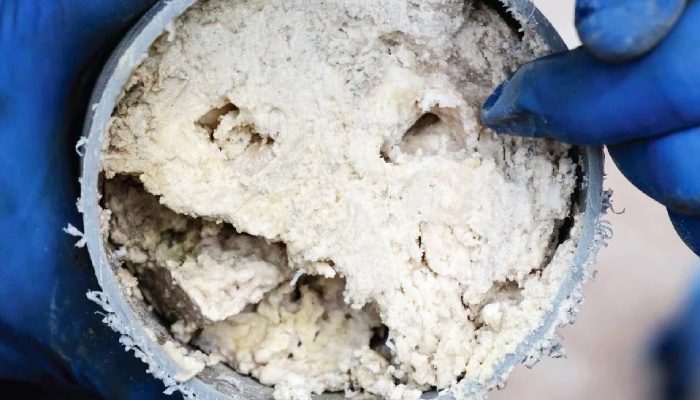
Power rodding is more effective for cutting through solid obstructions, such as remove tree roots, while hydro jetting excels at removing softer blockages and extensive buildups.
Pipe Condition
Hydro jetting is suitable for newer, robust piping systems, whereas power rodding is a safer option for older or more fragile pipes.
Cleaning Thoroughness
Hydro jetting offers a more comprehensive clean, potentially reducing the frequency of future clogs. Sewer rodding, while effective for clog removal, may leave behind some residues.
Cost Considerations
Sewer rodding is generally more budget-friendly, making it a preferable choice for those with cost constraints. Hydro jetting, though more expensive, offers a deeper clean that may prove cost-effective in the long run.
Long-Term Maintenance
For environments with heavy usage, such as commercial settings, the thorough cleaning provided by hydro jetting can be advantageous. Sewer rodding may be more suitable for less frequent maintenance needs.
Professional Assessment
It’s crucial to consult with a plumbing professional who can assess the specific needs of your plumbing system and recommend the most appropriate method.
Both sewer rodding and hydro jetting have their place in plumbing maintenance. The choice between them depends on the specific circumstances of the plumbing issue at hand. Understanding the strengths and limitations of each method enables informed decision-making for effective and efficient drain maintenance.
Professional Recommendations and Best Practices
When dealing with drainage issues, professional guidance is crucial. A licensed plumber can accurately diagnose the condition of your pipes and the nature of the clog, advising whether sewer rodding or hydro jetting is more suitable. Regular maintenance, including routine inspections and cleanings, can significantly prolong the life of your plumbing system. It’s important to address minor clogs before they escalate into major blockages. Homeowners should also be mindful of what they flush or pour down drains, as preventative measures can reduce the need for intensive cleaning procedures.
Conclusion
In conclusion, hydro jetting emerges as the superior choice for comprehensive blocked drain and cleaning maintenance sewer line. Its ability to provide a thorough, deep clean extends beyond the capabilities of sewer rodding and drain snakes, making it especially effective in both residential and commercial settings. Although initially more expensive, the long-term benefits of hydro jetting, including prolonged periods between cleanings, the prevention of future clogs, and the removal of tree roots, offer significant value.
For those seeking a definitive solution to pipe maintenance, the assurance of clean, free-flowing plumbing systems, and the versatility to address issues ranging from bathroom sink blockages to more extensive pipes clean needs, hydro jetting is the optimal choice. Its unmatched efficiency and effectiveness solidify it as the premier method for modern, effective drain cleaning.